
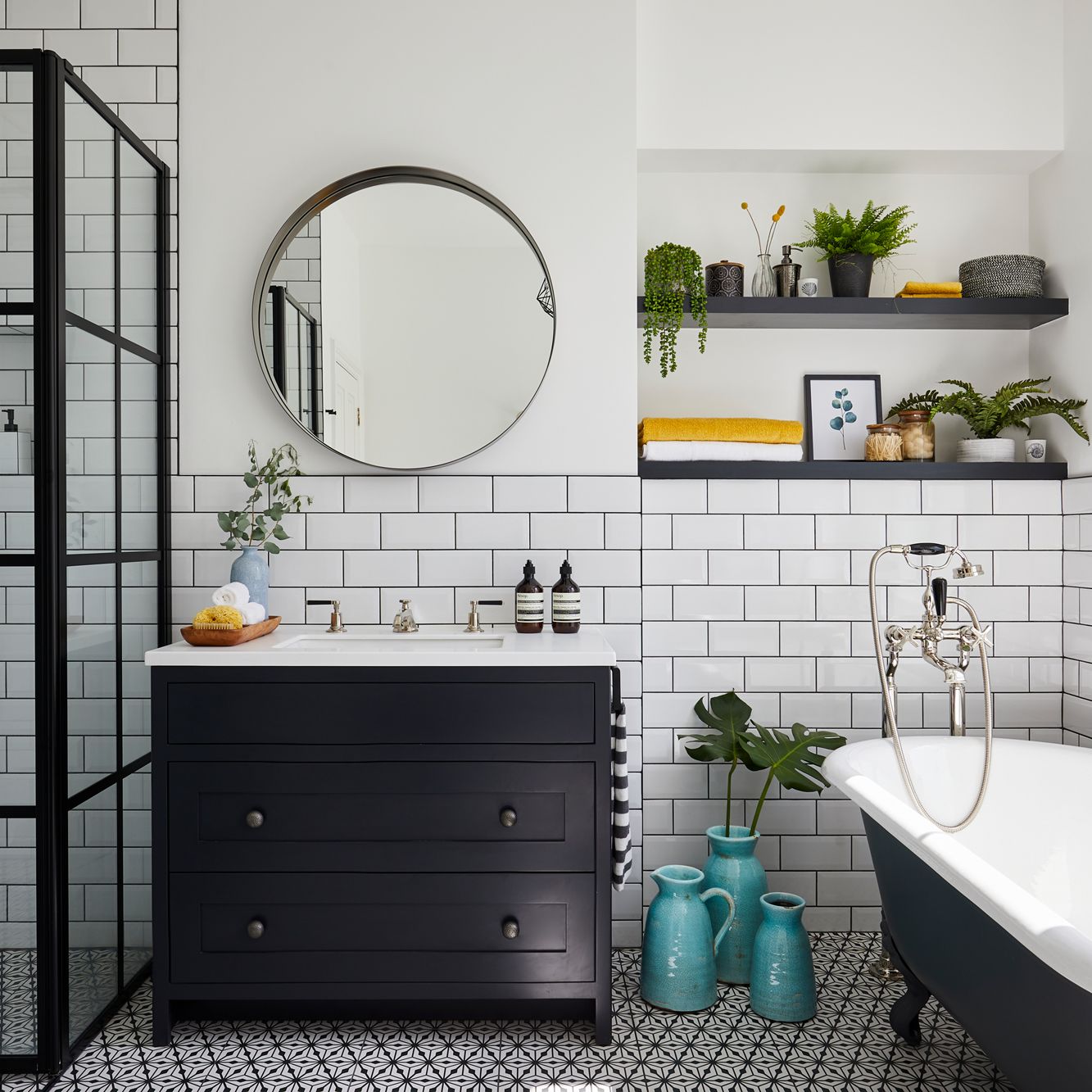
Renovating a bathroom offers the chance to make it more functional for daily living while also enhancing the general comfort of a house. While current design trends can inspire, practicality should remain a priority. Bathrooms experience frequent use, moisture, temperature changes, and regular cleaning, so every design decision can influence how well the space performs over time.
A bathroom designed with long-term use in mind combines a sensible layout, durable materials, accessible storage, effective ventilation, and adaptable features. Careful planning at the beginning can help homeowners avoid unnecessary changes and costly updates later.
Start With A Functional Layout
A visually attractive bathroom can quickly become frustrating if the layout makes movement difficult. Before selecting tiles, fixtures, or colours, consider how people will actually use the room.
The toilet, vanity, shower, and bathtub should be positioned to provide comfortable movement between different areas. Doors and drawers should open without interfering with other fixtures. In smaller bathrooms, wall-mounted vanities, recessed storage, and carefully positioned shower screens can help make better use of limited floor space.
Homeowners planning bathroom renovations Ryde can also consider whether their existing layout continues to meet their household’s needs. Changing the location of major plumbing fixtures may increase renovation complexity, so maintaining an efficient existing configuration can sometimes be the more practical approach.
Choose Materials For Everyday Conditions
Bathrooms place significant demands on surfaces. Flooring, walls, cabinetry, and countertops regularly encounter water, humidity, toiletries, and cleaning products. Materials should therefore be selected for durability rather than appearance alone.
Porcelain and ceramic tiles remain practical choices because they are relatively easy to maintain and available in numerous designs. Countertops should have surfaces that resist moisture and everyday staining. Cabinetry also needs finishes suitable for humid conditions.
Another important consideration is maintenance. Highly textured surfaces, complicated detailing, and excessive grout lines can require additional cleaning. Simple materials with easy-to-clean finishes can make everyday bathroom maintenance considerably easier.
Build Enough Storage Into The Design
Storage needs can change over time, but they rarely disappear. Toiletries, towels, grooming products, cleaning supplies, and personal items all require convenient places to be stored.
A well-planned vanity can provide valuable concealed storage without making the bathroom feel crowded. Drawers often make smaller items easier to access than deep cabinets. Mirrored cabinets can combine everyday storage with a functional bathroom feature.
Recessed shower niches are another useful addition. They keep shampoo and other products within reach while reducing the need for temporary racks or shelves.
Think About Accessibility Early
A bathroom that works today should ideally remain comfortable as household requirements change. Incorporating adaptable design features during a renovation can reduce the need for substantial alterations in the future.
A walk-in shower with minimal steps or barriers can provide convenient access for people of different ages. Wider shower entrances, comfortable clearances around fixtures, and slip-resistant flooring can also improve usability.
Even when accessibility is not an immediate concern, thoughtful planning can make the bathroom easier and safer for children, adults, older family members, and visitors.
Prioritise Ventilation And Lighting
Effective ventilation helps control moisture, which can contribute to mould, damaged finishes, and unpleasant odours. An appropriately selected exhaust system should therefore be treated as an essential part of bathroom planning rather than an afterthought.
Lighting deserves similar attention. Instead of relying on one ceiling fixture, consider combining general lighting with focused illumination around the vanity and mirror. Natural light can also improve the atmosphere where windows and privacy requirements allow it.
Good lighting makes grooming tasks easier while creating a bathroom that feels more comfortable throughout the day.
Avoid Designing Entirely Around Trends
Trendy colours, unusual fixtures, and dramatic finishes can make a bathroom distinctive, but they may also become dated relatively quickly. A practical long-term design usually relies on timeless foundational elements while allowing personality to come through features that are easier to replace.
Neutral tiles, functional cabinetry, and straightforward fixtures can form a lasting foundation. Towels, mirrors, decorative accessories, and smaller fittings can then be changed when homeowners want a different look.
Plan For Long-Term Convenience
The most successful bathroom is not necessarily the one with the most expensive finishes. It is the one that continues to function comfortably year after year.
By prioritising an efficient layout, durable materials, accessible storage, ventilation, lighting, and adaptable features, homeowners can create a bathroom that responds to changing needs. Thoughtful decisions during the renovation stage can result in a space that remains comfortable, attractive, and practical well into the future.
